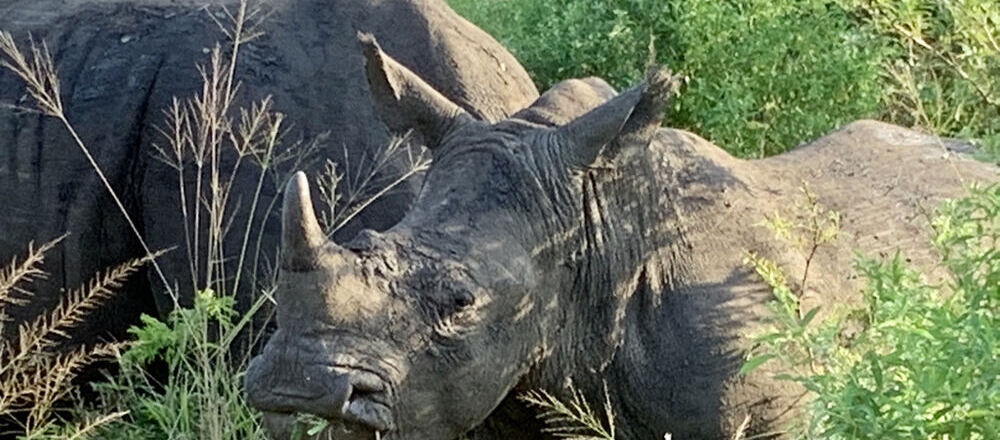
Easy Hluhluwe safari bookings
Starting from Memorial Gate, the closest gate to Hluhluwe town. Safaris run on availability, with 4 to 10 people per vehicle.
28.02°S, 32.28°E; Zululand, South Africa
The best place in the world to see rhino in the wild. This is where the species was saved.
A safari gateway town rediscovering itself: still wild, still uncrowded, and increasingly worth visiting for yourself.
Scroll
Starting from Memorial Gate, the closest gate to Hluhluwe town. Safaris run on availability, with 4 to 10 people per vehicle.
Plan your visit
50 places to sleep, from inside the wildlife areas to guesthouses in town.
See where to stay →Safaris, boat trips, animal encounters, local food and craft, and day trips to St Lucia and Sodwana Bay.
See things to do →Open-vehicle safaris from Memorial Gate, the gate closest to town. Based on availability.
Request a safari →Why Hluhluwe matters, and how every visit helps pay for protecting it.
Read the stories →Field record
In the 1950s, Operation Rhino pulled the white rhino back from fewer than a hundred surviving animals; all from this stretch of Zululand. Most white rhino alive today, anywhere in the world, trace back to this park. That work never really stopped: this remains one of the region's most active places for conservation research, land restoration, and wildlife rehabilitation: carried on in parallel by researchers, landowners, and organisations, not any single one of them.
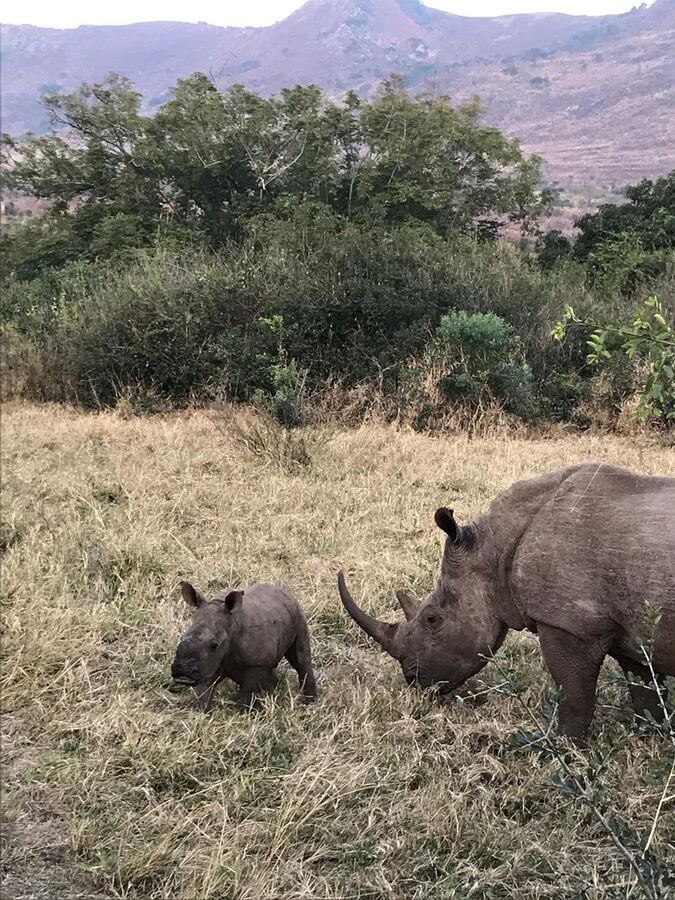
A rhino cow and calf in Hluhluwe-iMfolozi grazing.
Research
The Hluhluwe area sits inside the Maputaland-Pondoland-Albany biodiversity hotspot: one of only 36 recognised worldwide, home to over 8,100 plant species, nearly a quarter of them found nowhere else on Earth. New species are still being formally described here, from undescribed dwarf chameleons to cryptic frog species uncovered in recent years. That's why research matters as much as any fence or ranger; you can't protect what you haven't properly studied. University of KwaZulu-Natal researchers, working alongside Ezemvelo KZN Wildlife, carry out long-term fieldwork across the reserves each year, and students regularly complete internships and research projects in the area.
More info for students →Restoration
Restoration here means reconnecting fragmented land so wildlife can move more freely, undoing decades of farm fences. Around Hluhluwe-iMfolozi itself, this happens through South Africa's Biodiversity Stewardship Programme, the legal pathway private farms and communal land use to become full nature reserves: among them Manyoni (formed when 17 farms dropped their fences), the community-owned Somkhanda, the Munyawana Conservancy, and Wild Tomorrow's Ukuwela reserve. Further along the coast, a separate and much larger effort is underway: the Lubombo Transfrontier Conservation Area, a treaty South Africa, Mozambique and Eswatini signed in 2000, linking iSimangaliso Wetland Park to Mozambique's Maputo Special Reserve and Eswatini's Lubombo Conservancy. Ezemvelo KZN Wildlife and the iSimangaliso Wetland Park Authority manage the South African side; the UN's Global Environment Facility, through UNDP, is currently funding a five-year, US$48 million biodiversity programme across that landscape.
Read about Wild Tomorrow →Rehabilitation
Rehabilitation means giving injured, orphaned or confiscated wildlife a second chance: treating what can be treated, teaching visitors and local communities why it matters, and releasing back into the wild wherever that's possible. Several projects already do this here: the Zululand Rhino Orphanage has hand-raised orphaned calves since 2017; Emdoneni's Zululand Cat Conservation Project cares for injured cheetah, serval and caracal while running daily educational tours; Zulu Croc runs hands-on reptile education alongside its rescue work. A new centre, FreeMe Zululand, is currently being built nearby, a partnership with Wild Tomorrow, to care for the species that usually get overlooked: raptors, ground hornbills, tortoises, jackals.
Read about FreeMe Zululand →Protection
Protection here covers more than anti-poaching patrols. It includes fencing and boundary maintenance, clearing invasive alien plants that choke out indigenous vegetation and drain scarce water, community engagement, and education: all treated as part of the same effort, not separate from it. South Africa's Working for Water programme, which clears invasive alien plants nationwide, is a good example of how protection and employment overlap: it has cleared more than a million hectares of land since 1995 while providing jobs and training to roughly 20,000 people a year, most of them women from surrounding rural communities. The same logic applies here: protecting the land and giving the people living alongside it a reason to want it protected go hand in hand.
The fifth strand
None of the work above runs on goodwill alone. Park entry fees, guided game drives, and the lodges built along the reserve's boundary are what keep the rangers paid, the research stations funded, and the anti-poaching units equipped; Hluhluwe-iMfolozi is one of the few conservation areas in the world that largely pays for its own protection. Book a drive, spend a night, eat at a local table, and you're not just visiting a reserve. You're one of the reasons it's still here to visit.
Read the conservation stories →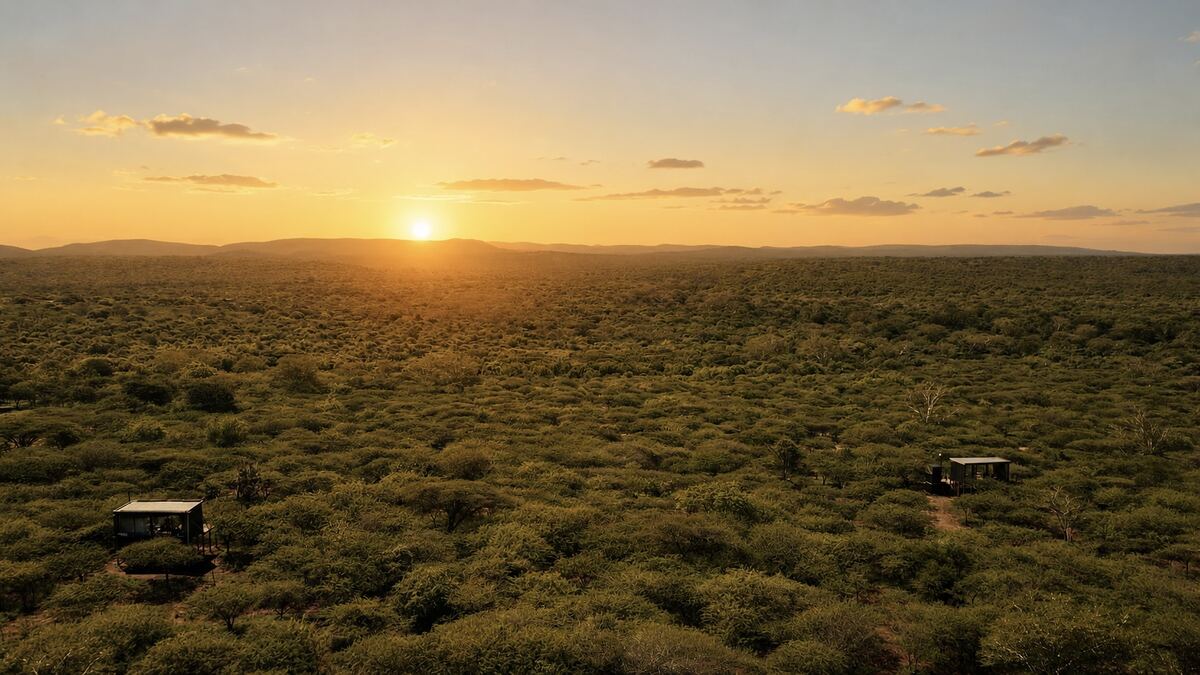
Two off-grid treetop huts in the Zululand bush.
Read more →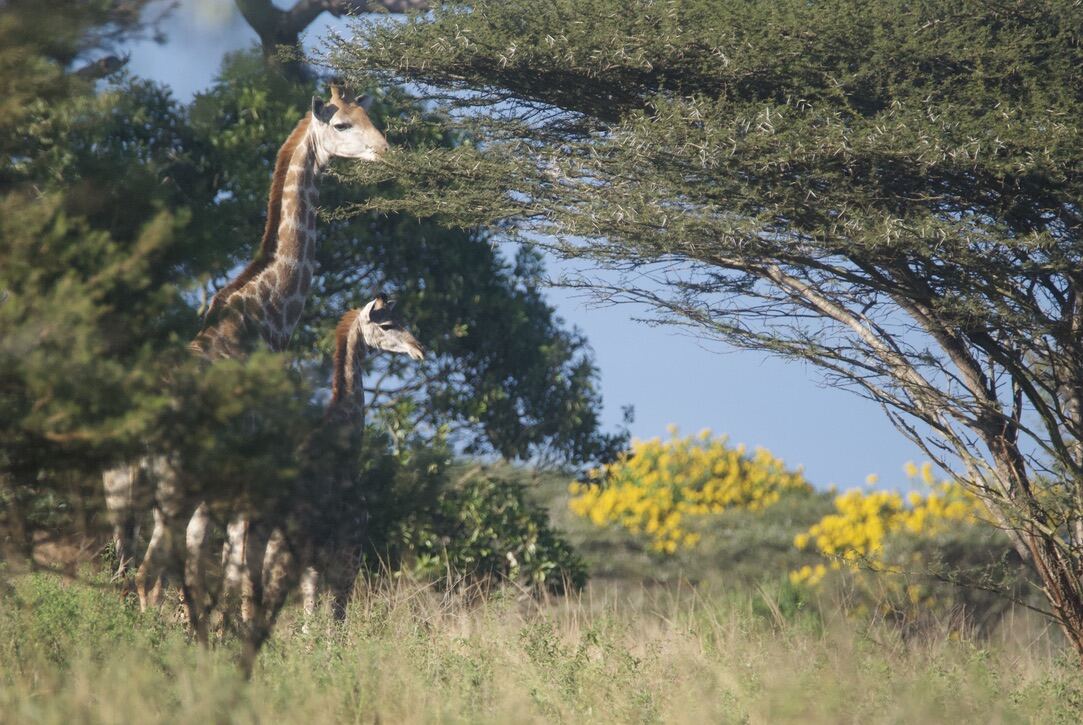
Old farmland nearby being bought back and returned to wilderness.
Read more →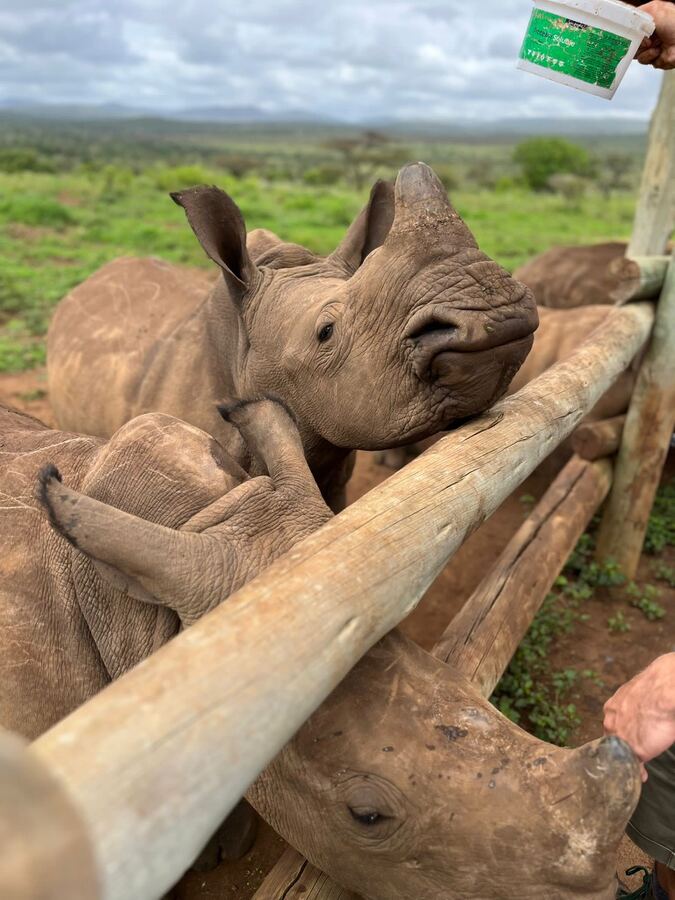
A wildlife rehabilitation centre being built nearby, for the species that never make the brochure.
Read more →