According to the organisations that run it, more rhino are lost to poaching in KwaZulu-Natal than anywhere else in South Africa, and Hluhluwe-iMfolozi has been named as the province's worst-affected area. Every orphaned calf the Zululand Rhino Orphanage takes in is downstream of that same statistic.
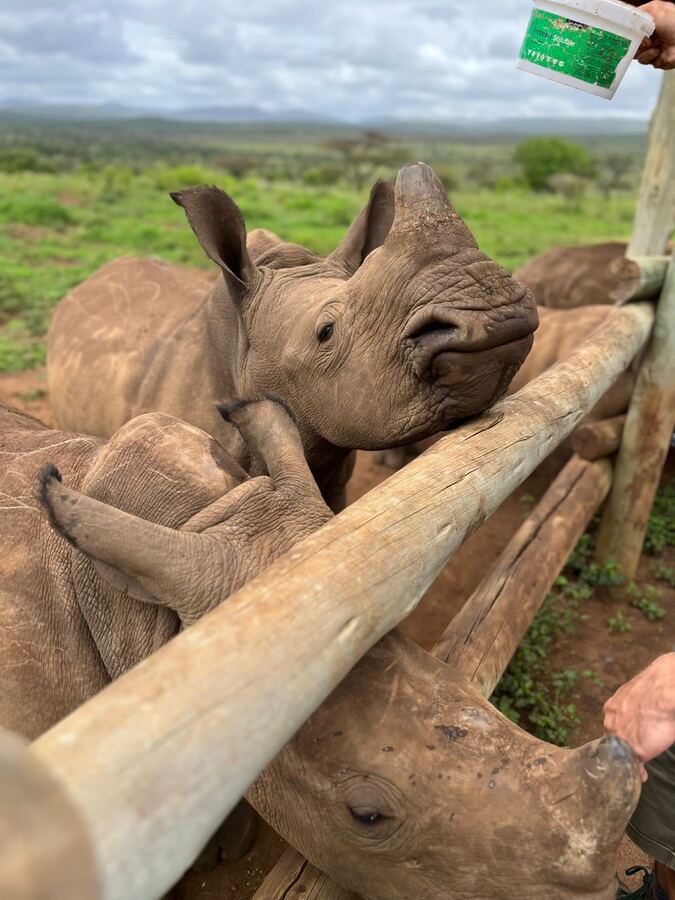
Round-the-clock care, for as long as it takes.
Born from an attack on the last one
The orphanage exists because its predecessor doesn't. In February 2017, poachers attacked the regional facility that had been caring for orphaned rhinos in the area, and the security risk forced it to close. The Zululand Conservation Trust, working with the international charity Helping Rhinos, built a new one rather than let the orphans already in care go without a home: a 3.5-hectare boma finished in under a month for the first two calves, with more facilities following within weeks for the others who needed round-the-clock bottle-feeding.
What actually happens there
Orphaned calves stay for three to four years under dedicated care before the goal every rescue is working toward: release back into the wild, fitted with a tracking collar so the team can keep watching over them. Since opening, the orphanage has cared for more than thirty rhinos, released more than a dozen back into the wild, and doubled its own capacity, including a second intensive care unit, to keep up with demand that keeps growing rather than shrinking.
Not every rescue ends well. But some, like a calf named Mulayo, found as a two-month-old beside her poached mother, injured defending her, have gone on to grow into healthy young rhino, on track for the wild life the orphanage exists to give back to them.
Humankind has failed rhinos.Simoné Marshall-Smith, Zululand Rhino Orphanage manager
Not somewhere you can visit, on purpose
Given what happened to the facility that came before it, the orphanage's location is deliberately kept secret, protected by the host reserve's security, anti-poaching units, and camera coverage on every enclosure. It has never been open to the public, and that's not an oversight; it's the same lesson the last attack taught everyone involved. Support here means donating, or symbolically adopting an orphan through the Helping Rhinos partnership, not visiting.
→ Read: The hardest part of the story ← Back to Conservation